Sark is one of those rare places that seems to exist slightly outside of time. A tiny island of just five square kilometres, perched in the English Channel between England and France, it has managed to hold onto its feudal roots, its car-free lanes, and its fierce sense of independence long after the rest of the world moved on. To visit Sark is to step into a living history — and that history is a remarkable one.
Prehistoric & Early History
Long before the island had a name, people were already calling Sark home. Evidence of Bronze Age and Iron Age settlement shows that the island's clifftop fields and sheltered bays attracted communities thousands of years ago. The Romans knew of it too — Sark appears in the Antonine Itinerary, a 3rd–4th century document listing the Channel Islands, though scholars still debate exactly which Latin name referred to Sark. The earliest clear references come from the lives of two Breton saints: Saint Samson and Saint Magloire, both bishops of Dol-de-Bretagne. According to tradition, St Magloire founded a monastery on the island in the 6th century AD, drawn by its isolation and its peace. Whether or not the monastery survived, the story set the tone — Sark has always attracted those looking to do things differently.
Norman & Medieval Period
Like much of this corner of the world, Sark's fate was shaped by the Normans. The island became part of the Duchy of Normandy, and when William the Conqueror crossed to England in 1066, Sark came under the same Crown. The real turning point came in 1204, when King John lost Normandy to France. Faced with a choice, the Channel Islands — Sark among them — chose to remain loyal to the English Crown rather than become French. It was a decision that defined their constitutional identity for centuries, granting them a unique status: neither quite British nor French, governed by their own ancient laws, and owing allegiance directly to the Crown rather than to Parliament.
Elizabethan Colonisation (1565)
By the 16th century, Sark had become a problem. The island was largely uninhabited and had turned into a base for French pirates and raiders who used its coves and cliffs to launch attacks on passing ships. Queen Elizabeth I had had enough. In 1565, she granted Sark to Helier de Carteret, the Seigneur of St Ouen in Jersey, with a very clear condition: he had to colonise the island with at least 40 men capable of bearing arms, and keep it defended. De Carteret rose to the challenge. He divided Sark into 40 tenements — landholdings — each one tied to the obligation of military service. The families who took on these tenements became the backbone of the island's society, and the system de Carteret created became the foundation of Sark's extraordinary feudal constitution. Remarkably, it survived largely intact for over 400 years.
The Seigneurie & Feudal System
For centuries, the Seigneur of Sark wielded a degree of personal power that would have seemed medieval even in medieval times. He controlled who could live on the island, collected taxes, and held a set of almost comically specific privileges — including the exclusive right to keep an unspayed female dog and to own pigeons. No one else on the island was permitted either. The Chief Pleas, Sark's parliament, was made up of the 40 tenant families plus 12 elected deputies, with no universal suffrage at all until the 21st century. To outside observers, the whole arrangement seemed like something from a history textbook. To Sark's residents, it was simply how things were done — and for the most part, it worked.
Mining & Industry
In the 19th century, the discovery of silver and lead brought a brief and heady rush of industrial excitement to Little Sark. Investors poured money into the mines at Port Gorey, dreaming of riches buried beneath the island's granite cliffs. For a time, the southern tip of the island hummed with activity. But the seams ran thin, costs mounted, and the dream quietly collapsed. The mines were abandoned, and Sark returned to what it had always been — a farming and fishing island, unhurried and self-sufficient. The ruins at Port Gorey remain to this day, a quietly haunting reminder of ambition meeting reality.
La Coupée
Few features of Sark are as dramatic as La Coupée — the narrow spine of rock that connects Great Sark to Little Sark, dropping away on both sides to the sea far below. For centuries, crossing it was a nerve-shredding experience with no protection from the wind or the drop. Legend has it that local children would crawl across on their hands and knees to avoid being blown off. Protective railings were finally added in 1900, offering some reassurance. But it was not until 1945 that the narrow concrete road across the isthmus was built — by German prisoners of war, working under the direction of the Royal Engineers in the final months of occupation. It is one of Sark's many layers of history compressed into a single place.
World War II Occupation
When German forces occupied the Channel Islands in 1940, Sark found itself in a strange and uncomfortable position. German military rule began on 4 July 1940, when Major Albrecht Lanz arrived to inform the island's rulers — Seigneur Robert Hathaway and his formidable American-born wife, Dame Sibyl — that things were now rather different. Dame Sibyl became a legend during those years. Refusing to be cowed, she maintained her authority, insisted on the dignity of her people, and reportedly faced down German officers with a composure that left them unsure who was actually in charge. British Commandos raided the island several times during the occupation. The most famous of these, Operation Basalt on the night of 3–4 October 1942, resulted in the capture of a German prisoner — and considerable embarrassment for the occupying forces. Sark was finally liberated on 10 May 1945, a full day after Guernsey, which is why the island still marks Liberation Day on 10 May rather than 8 May like the rest of Europe.
The "Invasion" of 1990
Not every chapter in Sark's history is solemn. In late August 1990, an unemployed French nuclear physicist named André Gardes arrived on the island with a semi-automatic weapon and a very particular conviction: that he was the rightful holder of the Seigneur's title and had come to claim what was his. His plan, such as it was, involved putting up two posters announcing his intention to take over the island the following day at noon. He was arrested by Sark's tiny constabulary before anything more dramatic could unfold. The whole affair lasted barely 24 hours and became, almost immediately, one of the more absurd footnotes in the history of military conquest — or attempted conquest, at any rate.
Democratic Reform (2008)
For all its eccentricities, Sark could not hold back modernity forever. In April 2008, after years of pressure from the European Court of Human Rights and growing calls from within the island itself, the laws governing Sark were finally changed. Universal suffrage was introduced, and the Chief Pleas was transformed into a fully elected assembly of 28 members. The first election under the new system was held in December 2008, drawing considerable international attention — not least because it ended over 400 years of rule by hereditary landholders, making Sark one of the very last places in the world to finally leave feudalism behind.
Today, Sark remains a Crown Dependency, stubbornly car-free, and home to around 500 people. Its dark skies — protected as one of the world's first Dark Sky Islands — draw astronomers and romantics alike. Its cliffside paths, hidden beaches, and ancient lanes feel unchanged by centuries. It is, in the best possible sense, unlike anywhere else on earth — a place where history is not something behind glass in a museum, but something you can walk through, breathe in, and feel under your feet.
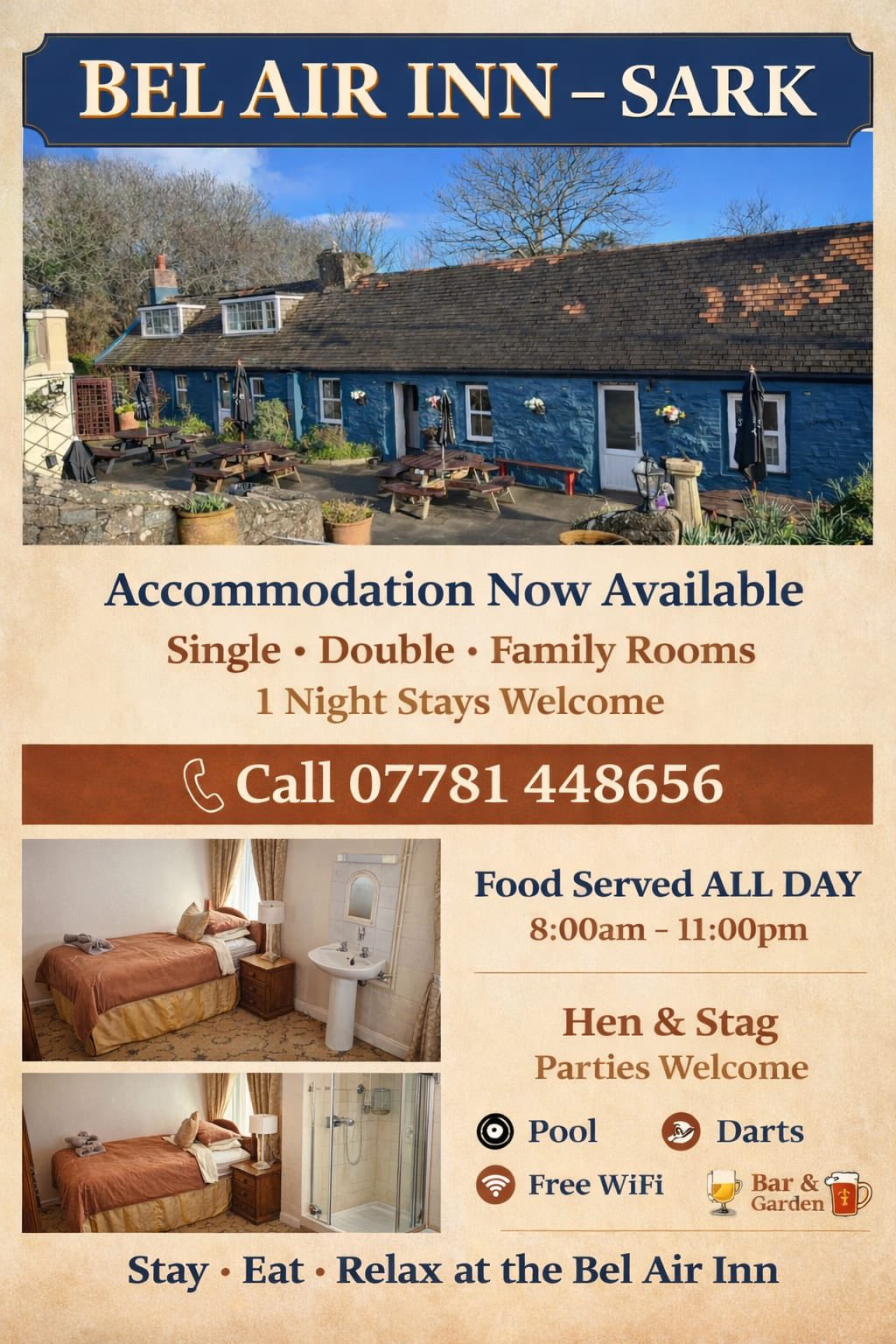
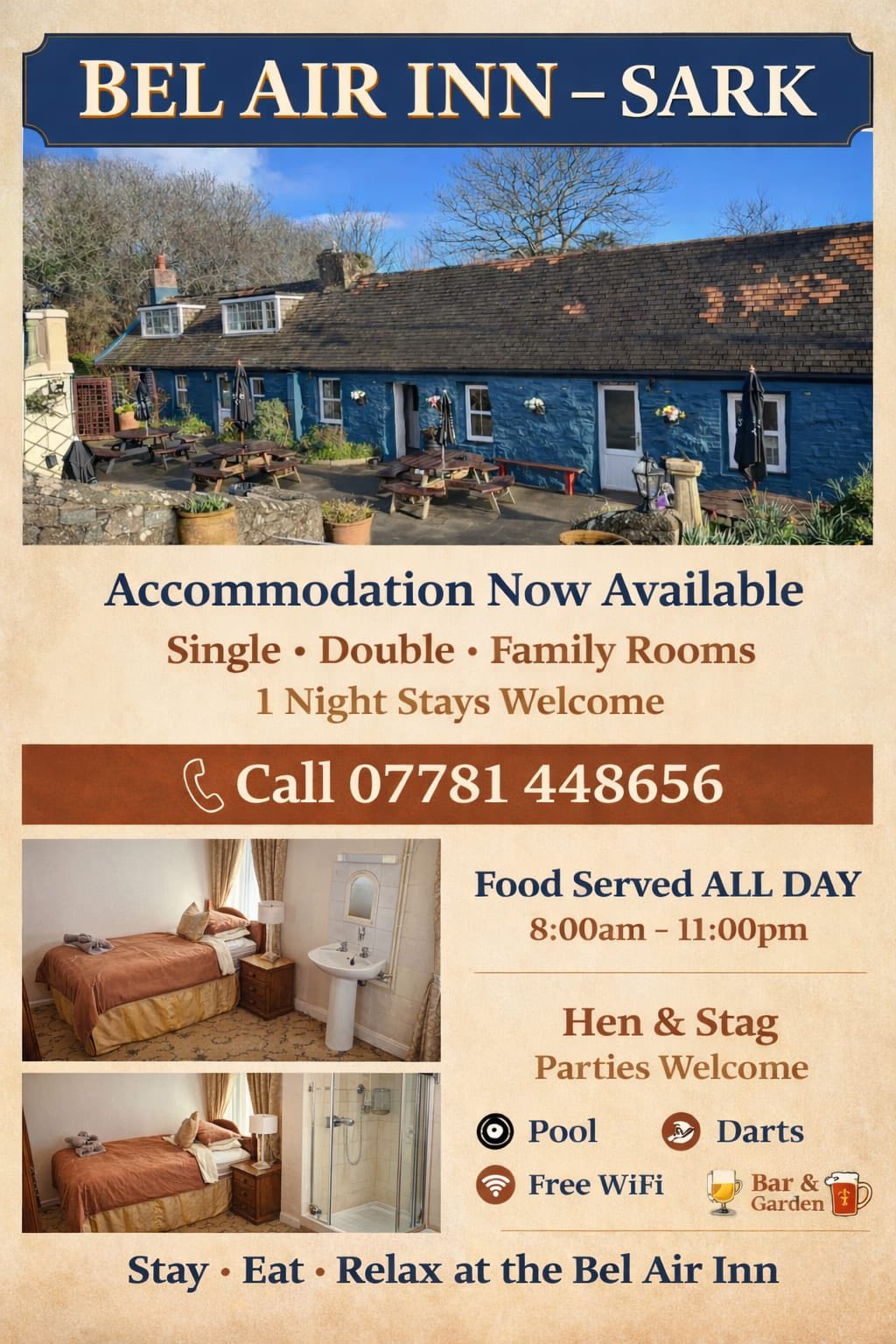
We now have pet friendly accommodation. We serve a full menu ALL day 8am - 11pm 7 days a week. We cater for any celebration - New children’s play area and BBQ area - Outside Can Bar and lots more Call 07781 448656 for more info and bookings
Sark's Astronomy Society
Sark's Astronomy Society (SAstroS) was established by a group of passionate stargazers to help protect the unique access to dark skies and showcase the best of Sark's stargazing. SAstroS welcomes others to join the group and share the captivating spectacle Sark offers from the Dachinger Observatory using a 12" Meade LX90 telescope purchased from donations in 2023.
The Observatory is open for stargazing sessions on demand, you can now book a visit with (SAstroS) through their website.

Sark Horse-Drawn Carriage Tour
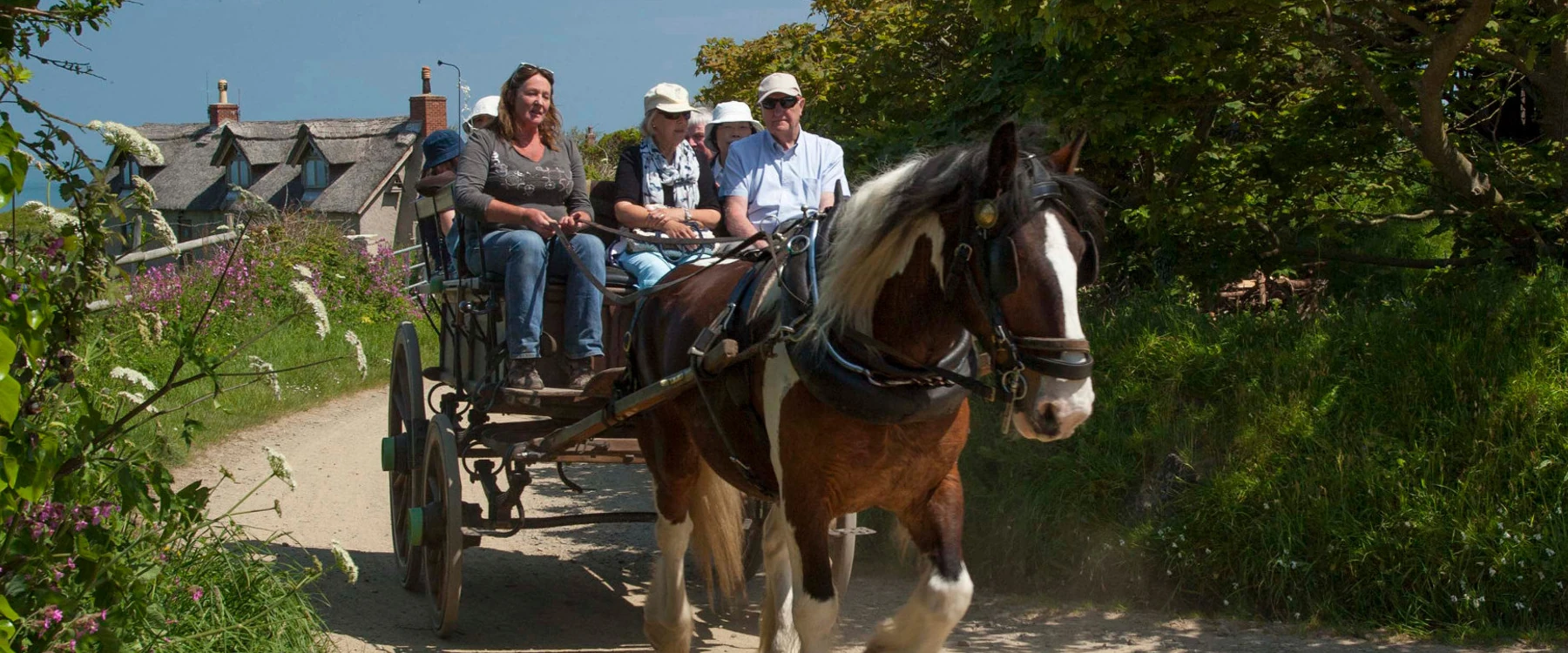
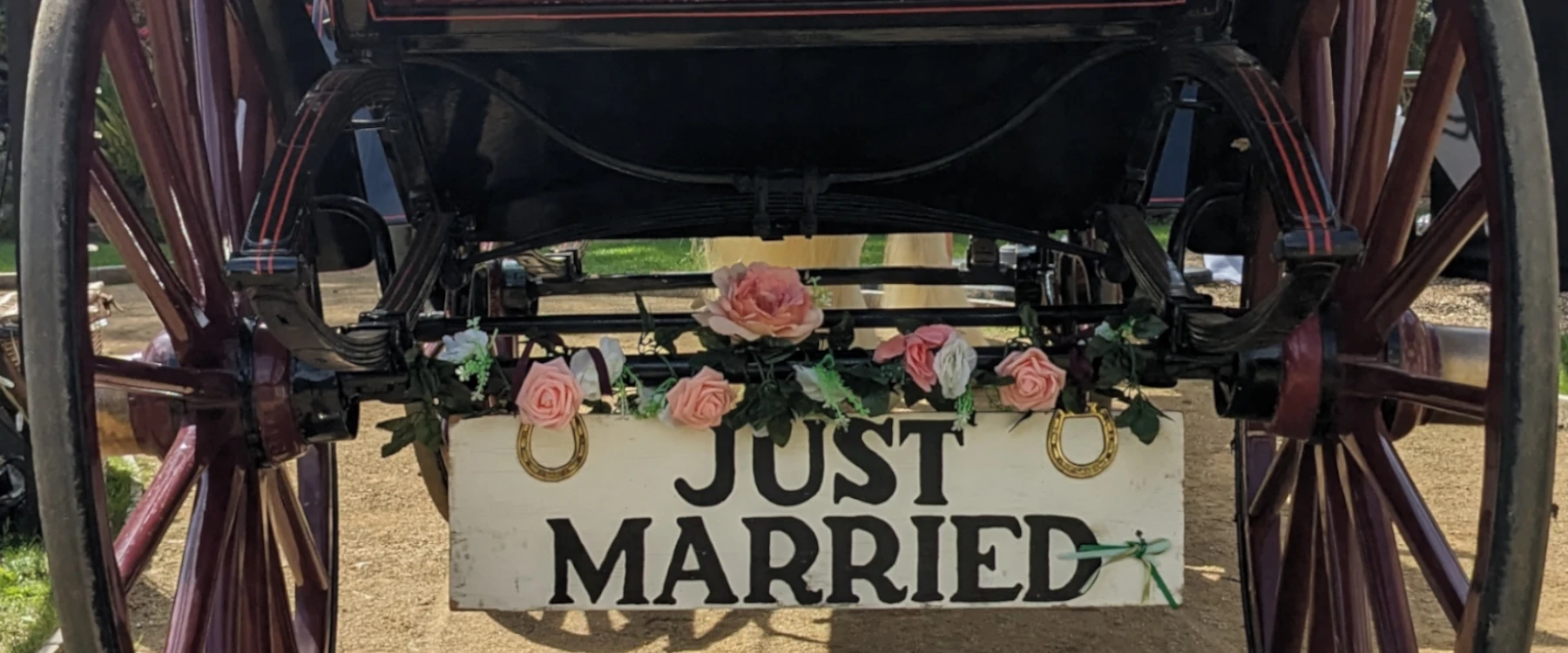
A horse-drawn carriage is a wonderful way to experience the beauty of the Island of Sark.
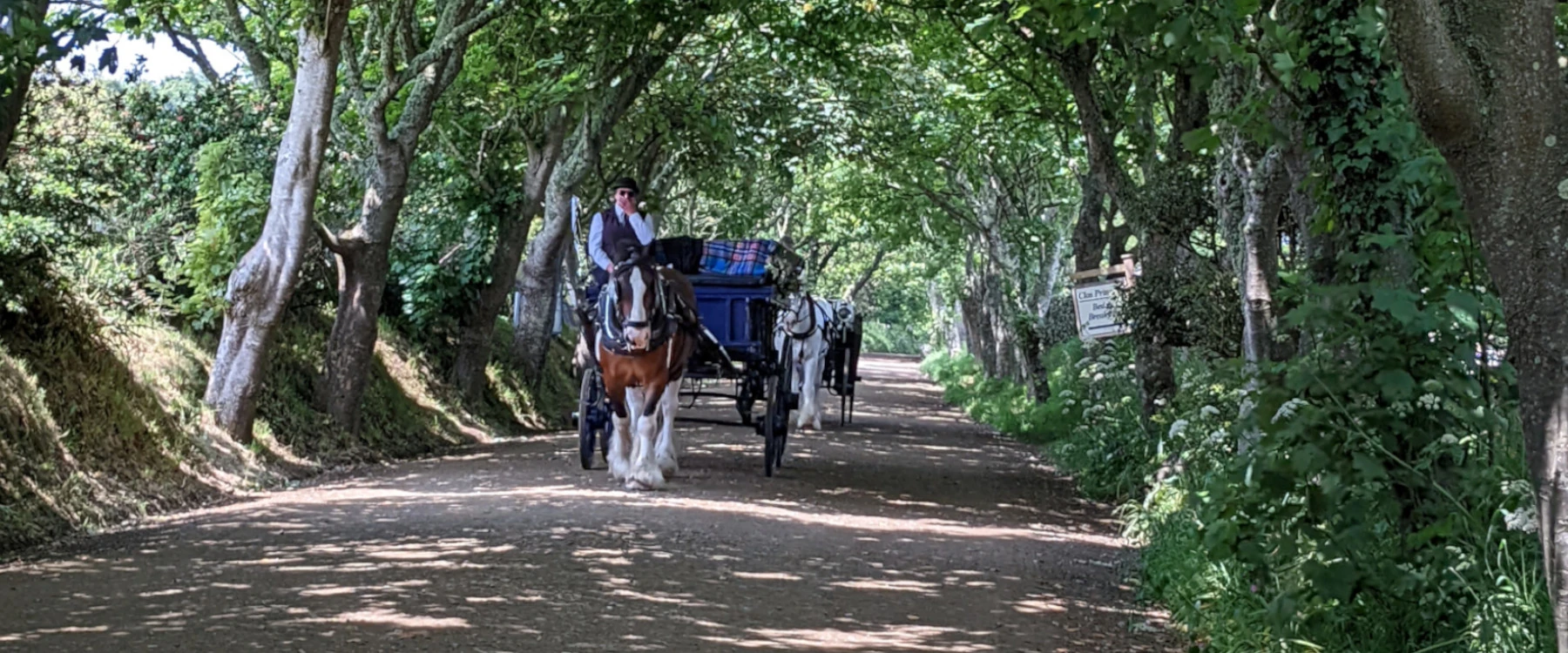
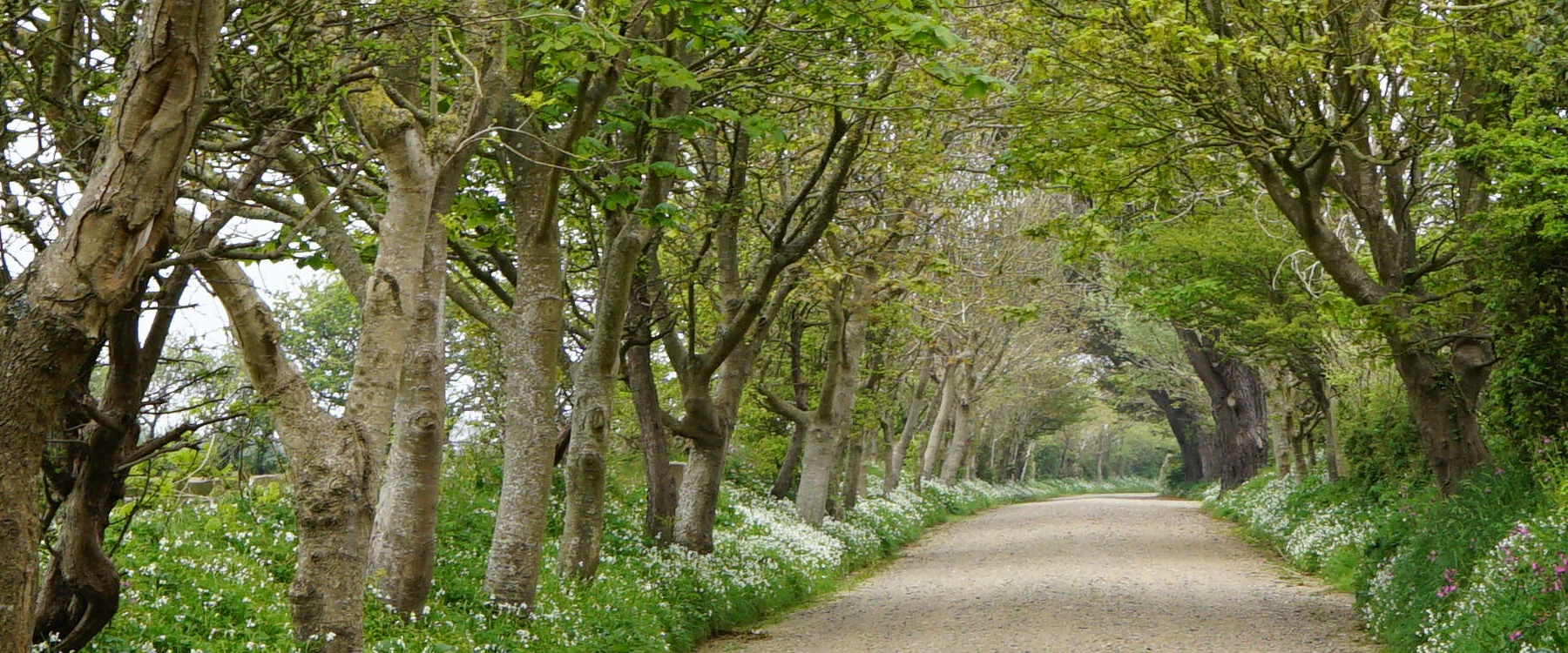
Journey back in time on an enchanting carriage ride through the tree-lined avenues, sit back, and be charmed by what awaits you on your tour of some of the most beautiful areas of the Island.
Sark Carriages offers an elegant and timeless experience, you can take in the sights of some of Sark’s most popular scenic spots as your private carriage takes you on a ramble around this magnificent Island, your private carriage will take you through the quaint narrow lanes of Sark to places of outstanding natural beauty, a truly unforgettable experience.
 Sark Gallery Stores as well as housing the Post Office, sell just about everything you can imagine. Situated at the end of the Avenue, you will find Caroline and her team in the Post Office and Garden & Hardware Store. Banking facilities for NatWest are also available here. You will find gifts, kitchen items, cards and gift wrap, toys and books, as well as handy bits for DIY, seeds, tools, paint, and plenty more!
Open 8.30 am to 5 pm Monday to Saturday.
Open on Sunday during the summer season
Post Office - Tel: 01481 832005
Stores - Tel: 01481 832078
 The Mermaid Tavern is a unique and friendly pub, where a warm welcome awaits you, the bar is a favorite with the locals with a good range of beers, wines, and spirits. After a day exploring Sark the Mermaid Tavern is the perfect way to end a day, sitting outside the Mermaid in the warm air, chatting with the locals.
Mermaid Tavern
Mermaid Lane
Sark
Tel: +44 (0) 1481 832202
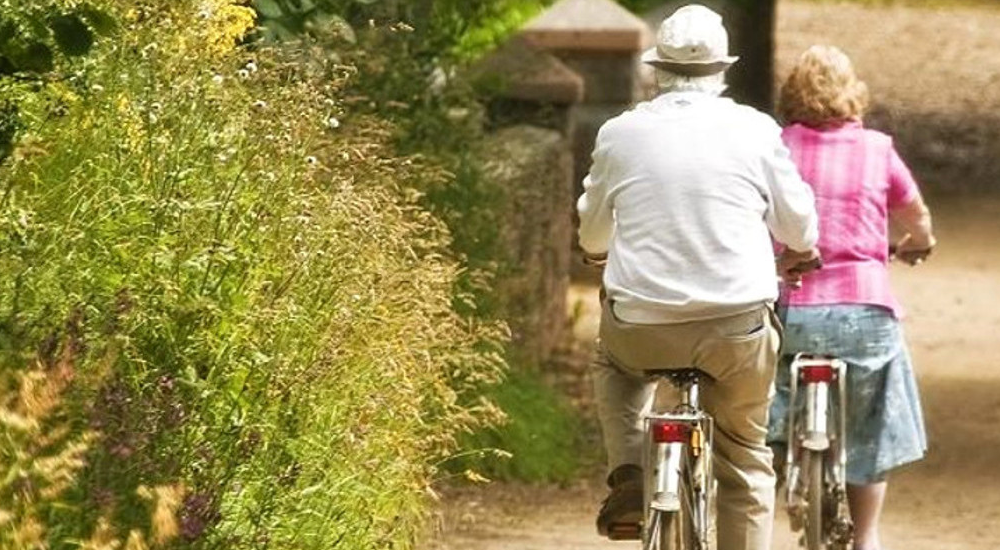
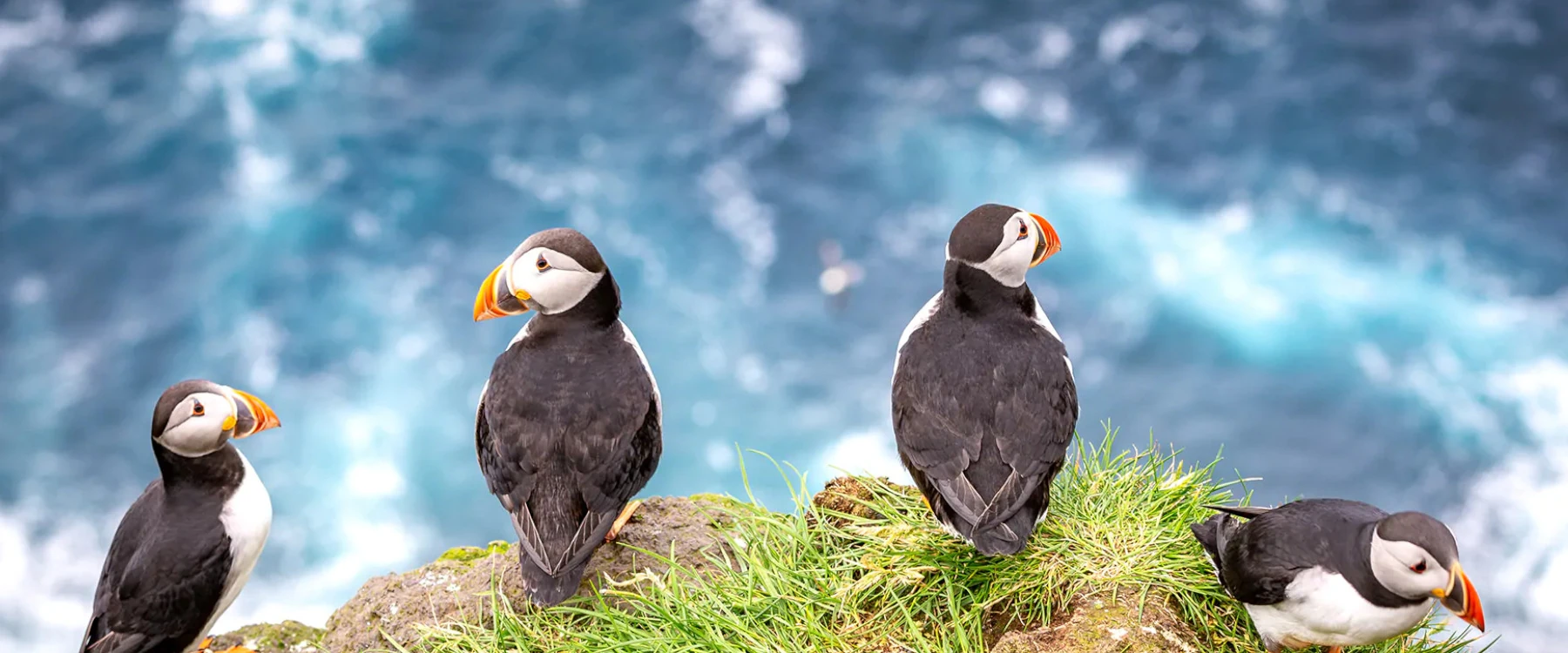
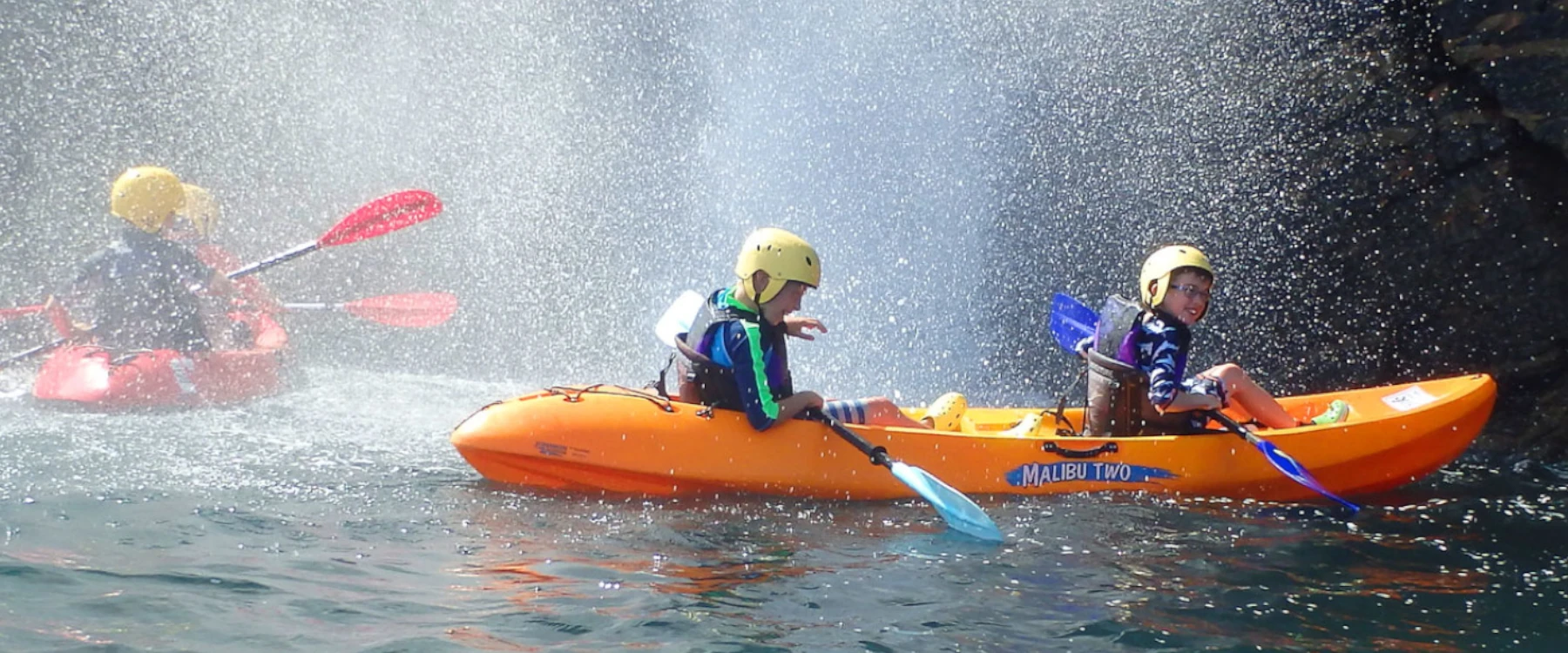
Sark is famous for its natural beauty and scenic coastal walks, with an array of mixed bird life and Autumn migrant birds to be seen. The Island is also renowned for its dark skies, offering some fantastic stargazing opportunities, for the more adventurous kayaking, coasteering and coastal boat trips, also available leisurely horse and carriage tours and bike hire, there are many ways to explore the Island, with many interesting stops on route, from famous gardens to quirky cafes and fabulous restaurants.

Journey to Sark
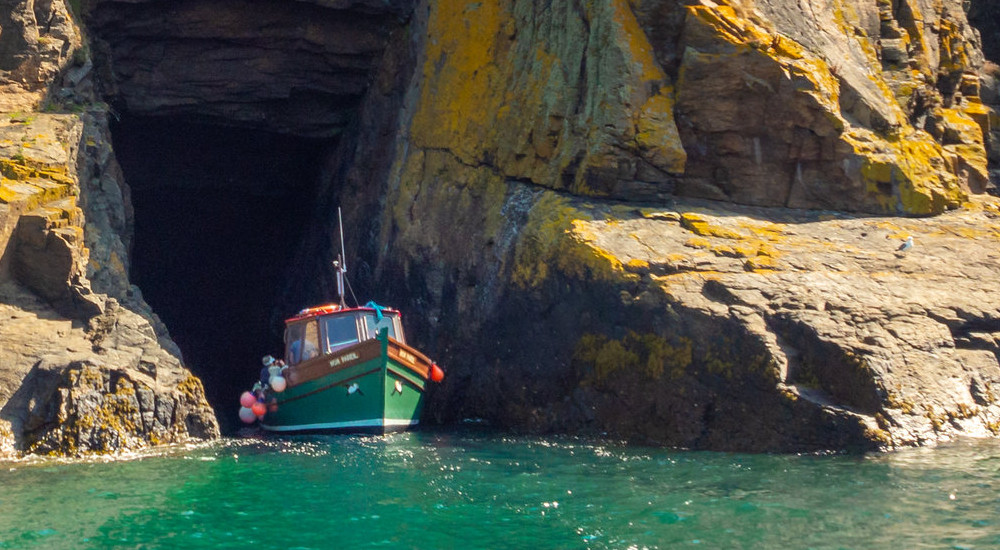
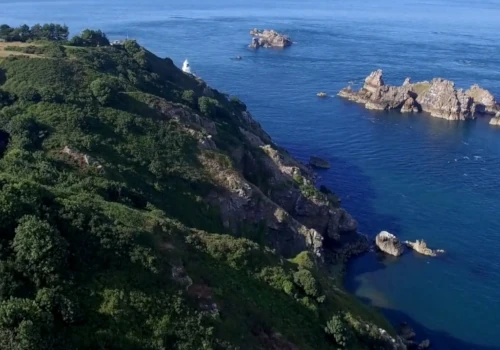
Step off the boat and feel the century shift. No engines. No urgency. Just salt air, the cry of sea birds, and a silence so complete it rings. The cliffs here don't politely slope to the sea — they plunge. Caves swallow the tide whole. Wild horses of white water break against black rock below paths edged with campion and gorse in furious bloom. When darkness comes, it comes completely. Sark owns one of the rarest skies left on Earth — a canopy so clear, so unspoiled, that the stars feel personal again. Stand under it long enough and you'll remember something you forgot you knew. Days pass differently here. A carriage ride through lanes thick with hedgerow. A kayak threading sea arches older than memory. A coastal walk that ends, somehow, exactly where you needed to be. Sark does not show off. It simply endures — ancient, unhurried, luminous — and invites you to do the same. Come as a visitor. Leave as someone who has caught a glimpse of what life, unplugged from its noise, might actually feel like.
There is nowhere else quite like it.!


TEMPORAILY CLOSED
Enjoy the magical charm of La Sablonnerie, a hotel of rare quality, situated in the southern part of Sark; even more beautiful, remote and romantic. Unspoiled and scenic, it is a haven for lovers of peace and tranquillity. Nestled in the lovely award winning gardens, this oasis of hospitality has an enchanting air of simplicity and sophistication. The bar is a convivial meeting place with its roaring log fire. Savour a gourmet luncheon, or dine romantically by candlelight. Excellent cuisine, including fresh Sark lobster and produce from our family farm and gardens. A truly amazing experience. Of course being so close to the sea, freshly caught fish and famous Sark lobsters are popular specialities of the hotel. La Sablonnerie has been featured by the Which? hotel guide as 'The place to stay in the Channel Islands', and also received the highly coveted award from Condé Nast Johansen - 'Small Hotel of the Year'. Needless to say you have to visit us to find out exactly what everyone is talking about. Please do not hesitate to call us for reservations or information..
La Sablonnerie Hotel and Restaurant
Little Sark
GY10 1SD
Tel: +44 (0) 1481 832061