Buying and Renting Property in Sark
The Island at a Glance
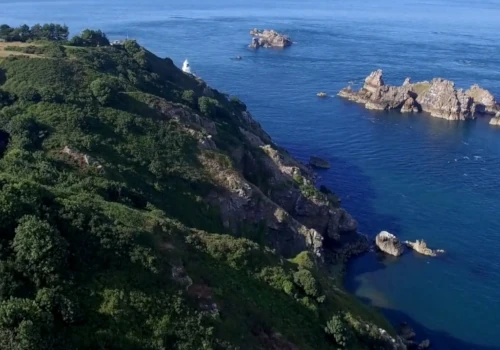
Sark lies 7 miles east of Guernsey and approximately 25 miles from the French coast. The island is 3 miles long and 1.5 miles wide at its broadest point, consisting of two components — Great Sark and Little Sark — connected by La Coupée, a 300-foot isthmus only 30 feet wide.
Sark is self-governing with its own legislative, judicial and executive powers, part of the British Crown but not the United Kingdom. It sits within the Bailiwick of Guernsey but holds a unique constitutional statuus
Population & Demographics
Sark's first official census in 52 years, conducted in April 2022, recorded a population of 562. The average age of residents was 51.4 years — higher than both Guernsey and England. Just over a quarter of residents were born in Sark or Guernsey, and more than half had lived on the island for over ten years. The census identified 290 private dwellings and five hotels.
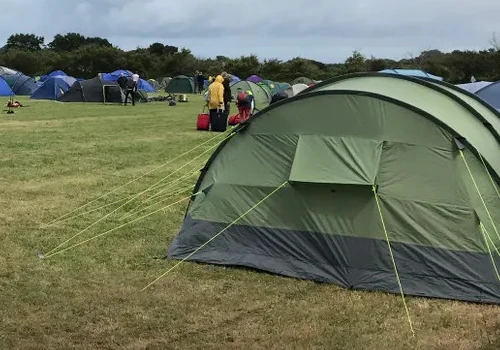
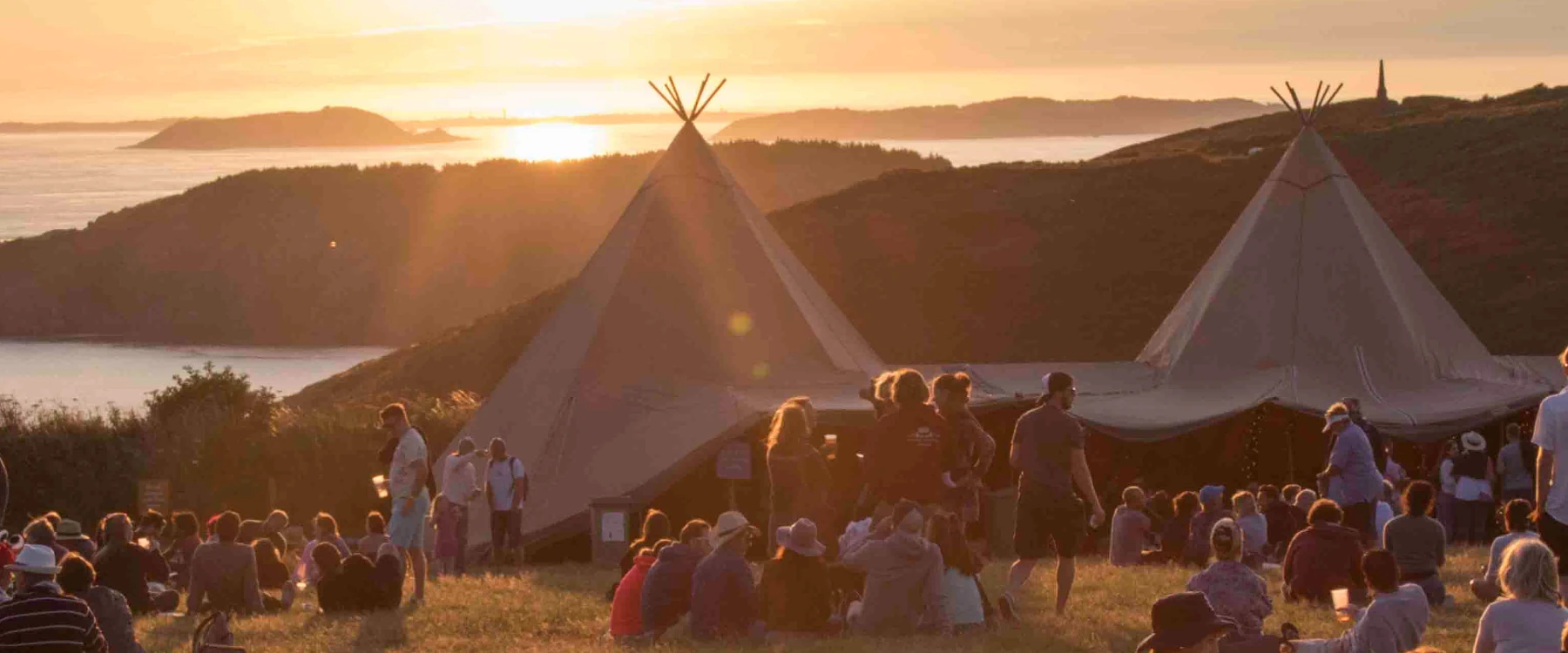
The resident population rises to around 1,000 during the season, with seasonal staff and visitors filling hotels, guest houses and campsites generally between Easter and October.
Climate & Environment
Sark doesn't really do weather. It does atmosphere. Perched in the sweep of the English Channel, the island catches more sunshine than almost anywhere else in the British Isles — not the tentative, apologetic sunshine of the mainland, but long, generous days that linger well into the evening. The kind that make you forget what month it is. Winter arrives gently here. Temperatures rarely drop below 5°C, frosts are the exception rather than the rule, and the sea — vast and ever-present on all sides — acts as a natural thermostat, keeping the cold firmly at arm's length. Plants grow on Sark that wouldn't dare show themselves above ground anywhere else in Britain without the protection of glass. The island's walled gardens are proof of what happens when you remove the wind and let the mild air do its work. Spring comes early and without ceremony. By March and April, temperatures are already nudging 10–14°C, and while the mainland is still shivering, Sark's clifftops are rioting with wildflowers — carpets of colour above a sea that shifts from slate grey to impossible turquoise depending on which way the light falls. Summer is what dreams are made of. July and August regularly reach 20–25°C, carried on a light sea breeze that takes the edge off the heat and makes the afternoon disappear entirely. Long lunches on sun-trap terraces. Evenings that refuse to end. Autumn — often overlooked — is Sark's secret season. September and October hold warmth well, hovering around 15–18°C, the light turns golden, the visitors thin out, and the island exhales. Those who stay say it's the finest time of all. Four seasons. One island. Endlessly, quietly magnificent.
In 2011, Sark became the world's first Dark Sky Island, a distinction awarded by the International Dark Sky Association recognising the exceptional quality of its unpolluted night sky.
Economy & Way of Life
Sark has never needed much from the outside world — and that self-reliance is worn with quiet pride.
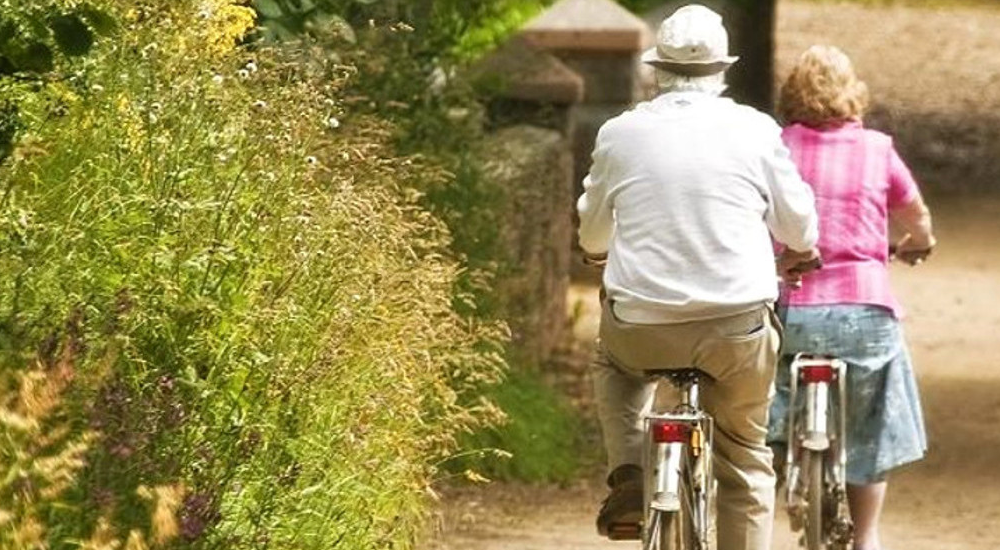
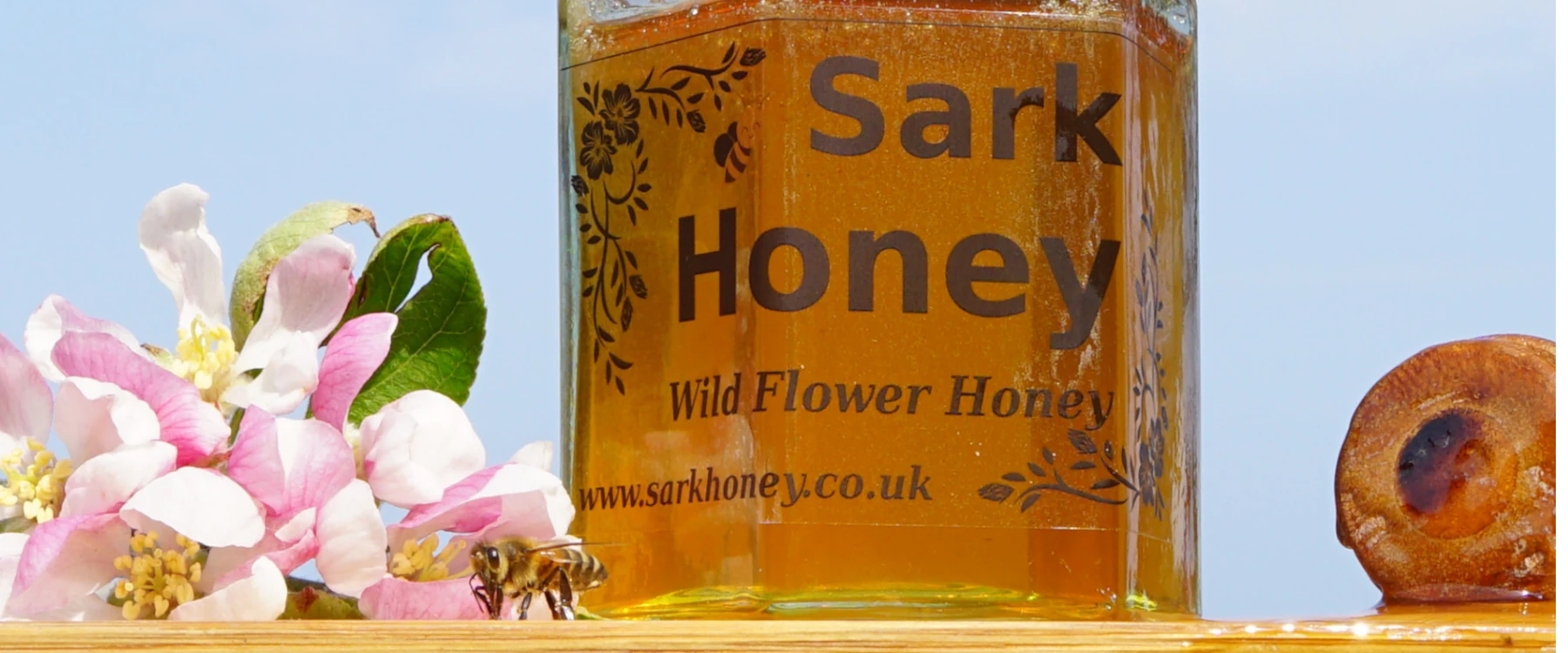
The sea provides. Lobster, crab and fresh fish are landed from waters that have fed this island for centuries. The fields give the rest — lamb, pork and beef raised on Sark's own soil. What the land and sea don't offer, islanders make themselves: chocolate, ale, pottery, jewellery, eggs. The Guernsey Pound keeps things grounded, tied to Sterling, anchored to reality. Getting here means crossing water. Getting around means a bicycle, a horse-drawn carriage, or your own two feet. Tractors do the heavy lifting. Cars simply don't exist. It sounds like a limitation — until you arrive, and realise it's the whole point. But don't mistake simplicity for isolation. Beneath Sark's unhurried surface runs high-speed internet, quietly enabling a growing community of remote workers, entrepreneurs and finance professionals who have discovered something remarkable: that you can run a modern life from one of the most ancient places in the British Isles. For them — and perhaps for you — Sark isn't a retreat from the world. It's a better way to live in it.
The Tax Advantage — Possibly the Most Compelling in Western Europe
This is where Sark becomes extraordinary. Sark stands as perhaps the last genuine tax haven accessible to UK and Irish citizens without complex schemes or questionable arrangements. Sark's tax code can be summarised in one sentence: there isn't one.
No Income Tax
Sark does not levy any income tax, inheritance tax, capital gains tax or VAT on its residents. Neither does the island have corporate tax. By comparison, Guernsey charges a flat income tax rate of 20% — and the UK charges up to 45%.
No Capital Gains Tax
There is no capital gains tax in Sark, making it an attractive destination for investors holding assets, portfolios or property elsewhere in the world.
No Inheritance Tax
There are no capital taxes in Sark — zero inheritance tax and zero capital gains tax. For those planning intergenerational wealth transfer, this is a significant consideration.
No VAT
Unlike Jersey and Guernsey, which have their own Goods and Services Tax systems, Sark has no form of indirect taxation whatsoever.
What You Do Pay — Personal Capital Tax
Sark levies a property tax and a personal tax on each resident who has a property available to them for 90 nights a year. This is calculated based on the size of the property, not its value, and typically ranges from £2,000 to £7,000 per year, with most residents paying around £3,500 annually.Even with recent tax increases, a resident's annual tax bill of around £7,000 compares very favourably with other European residence options. The tax comes with the freedom not to report income and no need to maintain detailed accounts.
Simplicity as a Feature
The key difference between Sark and traditional tax havens is simplicity. There are no complex trust structures, no corporate vehicles, no aggressive financial engineering. You live here, you earn here or elsewhere, and you keep your income. Residents complete just a one-page tax return each year.
Who Qualifies?
Anyone from the UK or Ireland can move to Sark and benefit from these tax rates. It is more complex for citizens of other countries, similar to the process for moving to Jersey or Guernsey.
Physical Presence
Sark does not currently have any physical presence requirement to be considered a resident. The only requirement to maintain both residency and tax residency is having a home available on the island — which can be rented or purchased.
Property Market — The Investment Case
Low Entry Prices with Room to Grow
There are no official statistics on Sark's real estate market, but analysts believe property values sit at around 30–50% of those in Guernsey — suggesting significant room for growth. Quality residential real estate currently changes hands at approximately £4,000 per square metre.
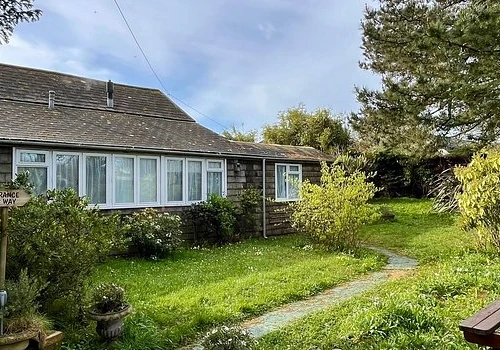
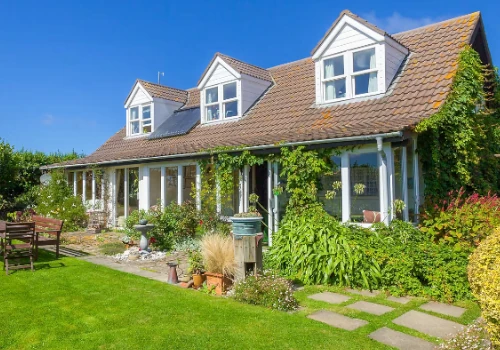
Two-bedroom properties can be priced as low as £120,000, while larger five-bedroom homes are available for around £400,000. By comparison, equivalent properties in Guernsey, Jersey or coastal England would cost multiples of these figures.
Since 2008, property prices around the world have risen by 100–300%. On Sark, they have dropped by approximately 50% from their 2008 peak — creating an entry point that contrarian investors find compelling.
Legal Reforms Opening the Market
The Land Reform (Sark) Law 2019, which came into force in February 2021, brought sweeping changes to land ownership principles that had stood for over 400 years. Sark's forty historic tenements can now be subdivided into smaller parcels, conveyed, disposed of in a will and mortgaged. This has fundamentally opened a property market that was previously almost entirely closed to outside investors.
Who Can Buy?
The only prerequisites for those wishing to live on Sark relate to nationality — buyers must be citizens of the UK or have the right to move to the UK. There are two distinct markets: a Local Market for those born on the island, with 15 years' residency, or with close family ties; and an Open Market, free for anyone to purchase regardless of local status.
Property Transfer Tax is charged at 7.5% of the adjusted transaction value.
Rental Demand Rising
While the property sales market has stagnated, Sark is seeing notably increasing demand for rentals. Analysts project property rental income across the island growing from £1 million in 2025 to nearly £2 million by 2028. For investors focused on yield rather than capital gain, this trend is encouraging.
Risks to Consider
Investors should approach with clear eyes. Sark faces an estimated £20 million in infrastructure investment needs — from energy and sewage to coastal repairs — against an annual government budget of just £2.2 million and cash reserves of £850,000. The property market has stagnated, and 2024 saw minimal transactions with Property Transfer Tax income at its lowest level in over ten years. Tax reform is also under active discussion, which could alter the cost of residency.
Summary
Sark offers something genuinely rare: a place of extraordinary natural beauty, constitutional uniqueness, near-zero crime, no cars, world-class dark skies, and property prices that bear no relation to comparable island jurisdictions. Recent legal reforms have unlocked a market frozen for four centuries. For patient, long-term investors who value lifestyle as much as return, and who believe in the island's trajectory, the window to buy at historically low prices may not remain open indefinitely.
As with all investments, independent legal and financial advice specific to Sark's unique property laws is strongly recommended before proceeding.
Sark is one of those rare places that seems to exist slightly outside of time. A tiny island of just five square kilometres, perched in the English Channel between England and France, it has managed to hold onto its feudal roots, its car-free lanes, and its fierce sense of independence long after the rest of the world moved on. To visit Sark is to step into a living history — and that history is a remarkable one.
Prehistoric & Early History
Long before the island had a name, people were already calling Sark home. Evidence of Bronze Age and Iron Age settlement shows that the island's clifftop fields and sheltered bays attracted communities thousands of years ago. The Romans knew of it too — Sark appears in the Antonine Itinerary, a 3rd–4th century document listing the Channel Islands, though scholars still debate exactly which Latin name referred to Sark. The earliest clear references come from the lives of two Breton saints: Saint Samson and Saint Magloire, both bishops of Dol-de-Bretagne. According to tradition, St Magloire founded a monastery on the island in the 6th century AD, drawn by its isolation and its peace. Whether or not the monastery survived, the story set the tone — Sark has always attracted those looking to do things differently.
Norman & Medieval Period
Like much of this corner of the world, Sark's fate was shaped by the Normans. The island became part of the Duchy of Normandy, and when William the Conqueror crossed to England in 1066, Sark came under the same Crown. The real turning point came in 1204, when King John lost Normandy to France. Faced with a choice, the Channel Islands — Sark among them — chose to remain loyal to the English Crown rather than become French. It was a decision that defined their constitutional identity for centuries, granting them a unique status: neither quite British nor French, governed by their own ancient laws, and owing allegiance directly to the Crown rather than to Parliament.
Elizabethan Colonisation (1565)
By the 16th century, Sark had become a problem. The island was largely uninhabited and had turned into a base for French pirates and raiders who used its coves and cliffs to launch attacks on passing ships. Queen Elizabeth I had had enough. In 1565, she granted Sark to Helier de Carteret, the Seigneur of St Ouen in Jersey, with a very clear condition: he had to colonise the island with at least 40 men capable of bearing arms, and keep it defended. De Carteret rose to the challenge. He divided Sark into 40 tenements — landholdings — each one tied to the obligation of military service. The families who took on these tenements became the backbone of the island's society, and the system de Carteret created became the foundation of Sark's extraordinary feudal constitution. Remarkably, it survived largely intact for over 400 years.
The Seigneurie & Feudal System
For centuries, the Seigneur of Sark wielded a degree of personal power that would have seemed medieval even in medieval times. He controlled who could live on the island, collected taxes, and held a set of almost comically specific privileges — including the exclusive right to keep an unspayed female dog and to own pigeons. No one else on the island was permitted either. The Chief Pleas, Sark's parliament, was made up of the 40 tenant families plus 12 elected deputies, with no universal suffrage at all until the 21st century. To outside observers, the whole arrangement seemed like something from a history textbook. To Sark's residents, it was simply how things were done — and for the most part, it worked.
Mining & Industry
In the 19th century, the discovery of silver and lead brought a brief and heady rush of industrial excitement to Little Sark. Investors poured money into the mines at Port Gorey, dreaming of riches buried beneath the island's granite cliffs. For a time, the southern tip of the island hummed with activity. But the seams ran thin, costs mounted, and the dream quietly collapsed. The mines were abandoned, and Sark returned to what it had always been — a farming and fishing island, unhurried and self-sufficient. The ruins at Port Gorey remain to this day, a quietly haunting reminder of ambition meeting reality.
La Coupée
Few features of Sark are as dramatic as La Coupée — the narrow spine of rock that connects Great Sark to Little Sark, dropping away on both sides to the sea far below. For centuries, crossing it was a nerve-shredding experience with no protection from the wind or the drop. Legend has it that local children would crawl across on their hands and knees to avoid being blown off. Protective railings were finally added in 1900, offering some reassurance. But it was not until 1945 that the narrow concrete road across the isthmus was built — by German prisoners of war, working under the direction of the Royal Engineers in the final months of occupation. It is one of Sark's many layers of history compressed into a single place.
World War II Occupation
When German forces occupied the Channel Islands in 1940, Sark found itself in a strange and uncomfortable position. German military rule began on 4 July 1940, when Major Albrecht Lanz arrived to inform the island's rulers — Seigneur Robert Hathaway and his formidable American-born wife, Dame Sibyl — that things were now rather different. Dame Sibyl became a legend during those years. Refusing to be cowed, she maintained her authority, insisted on the dignity of her people, and reportedly faced down German officers with a composure that left them unsure who was actually in charge. British Commandos raided the island several times during the occupation. The most famous of these, Operation Basalt on the night of 3–4 October 1942, resulted in the capture of a German prisoner — and considerable embarrassment for the occupying forces. Sark was finally liberated on 10 May 1945, a full day after Guernsey, which is why the island still marks Liberation Day on 10 May rather than 8 May like the rest of Europe.
The "Invasion" of 1990
Not every chapter in Sark's history is solemn. In late August 1990, an unemployed French nuclear physicist named André Gardes arrived on the island with a semi-automatic weapon and a very particular conviction: that he was the rightful holder of the Seigneur's title and had come to claim what was his. His plan, such as it was, involved putting up two posters announcing his intention to take over the island the following day at noon. He was arrested by Sark's tiny constabulary before anything more dramatic could unfold. The whole affair lasted barely 24 hours and became, almost immediately, one of the more absurd footnotes in the history of military conquest — or attempted conquest, at any rate.
Democratic Reform (2008)
For all its eccentricities, Sark could not hold back modernity forever. In April 2008, after years of pressure from the European Court of Human Rights and growing calls from within the island itself, the laws governing Sark were finally changed. Universal suffrage was introduced, and the Chief Pleas was transformed into a fully elected assembly of 28 members. The first election under the new system was held in December 2008, drawing considerable international attention — not least because it ended over 400 years of rule by hereditary landholders, making Sark one of the very last places in the world to finally leave feudalism behind.
Today, Sark remains a Crown Dependency, stubbornly car-free, and home to around 500 people. Its dark skies — protected as one of the world's first Dark Sky Islands — draw astronomers and romantics alike. Its cliffside paths, hidden beaches, and ancient lanes feel unchanged by centuries. It is, in the best possible sense, unlike anywhere else on earth — a place where history is not something behind glass in a museum, but something you can walk through, breathe in, and feel under your feet.
Sark's Astronomy Society
Sark's Astronomy Society (SAstroS) was established by a group of passionate stargazers to help protect the unique access to dark skies and showcase the best of Sark's stargazing. SAstroS welcomes others to join the group and share the captivating spectacle Sark offers from the Dachinger Observatory using a 12" Meade LX90 telescope purchased from donations in 2023.
The Observatory is open for stargazing sessions on demand, you can now book a visit with (SAstroS) through their website.
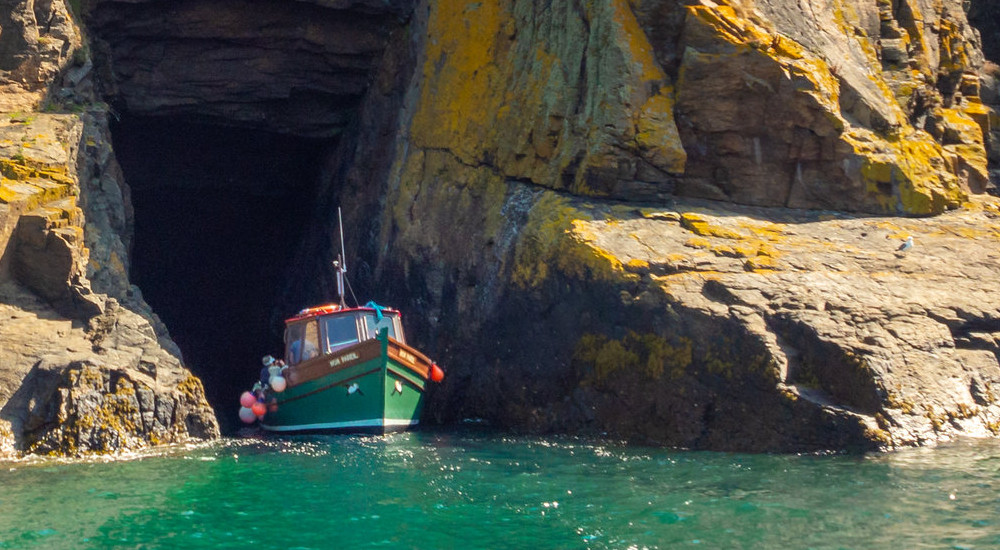
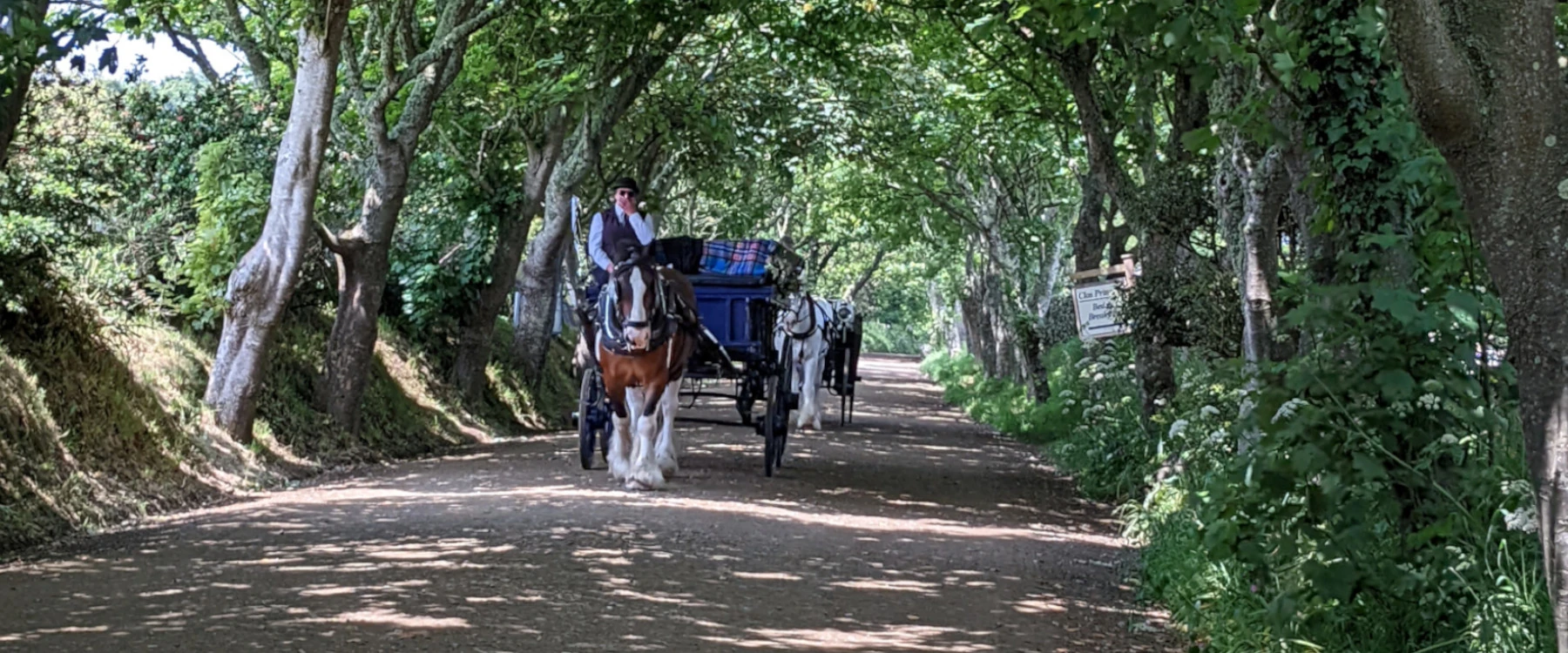
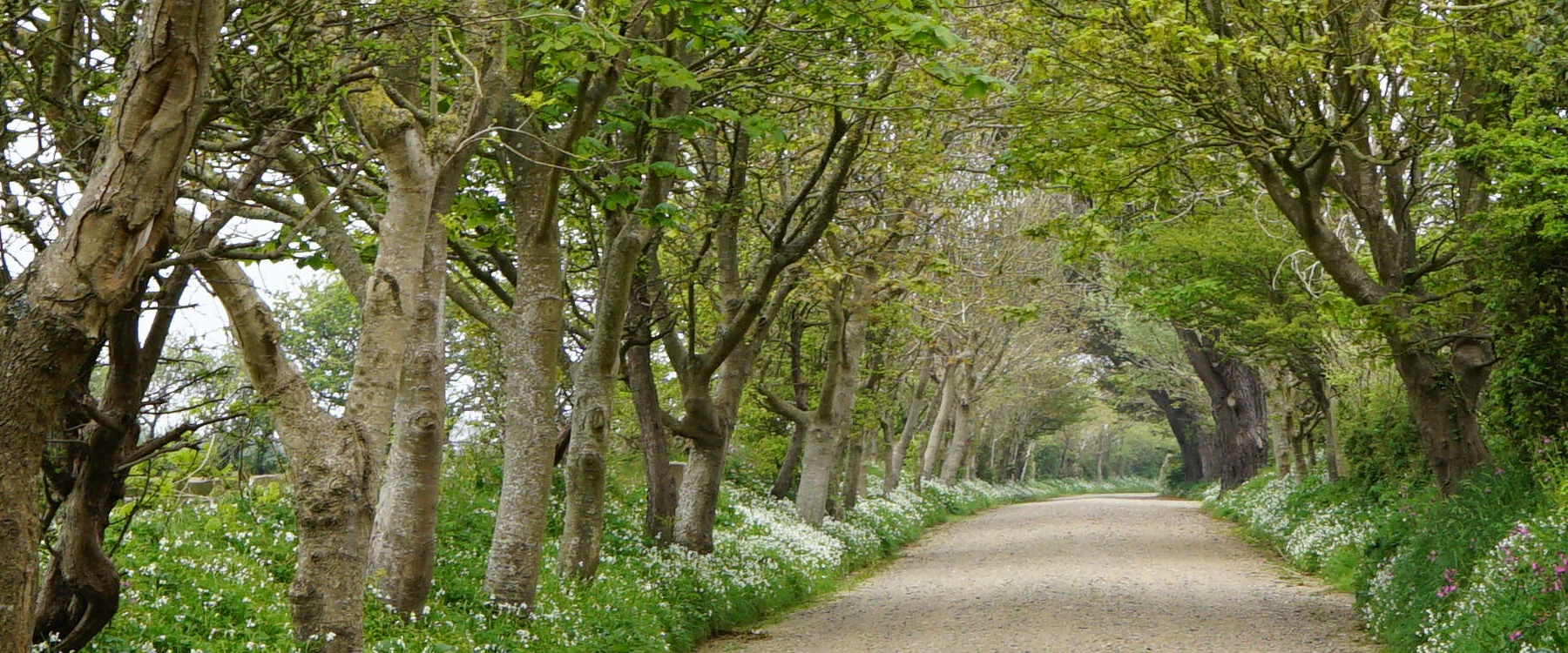
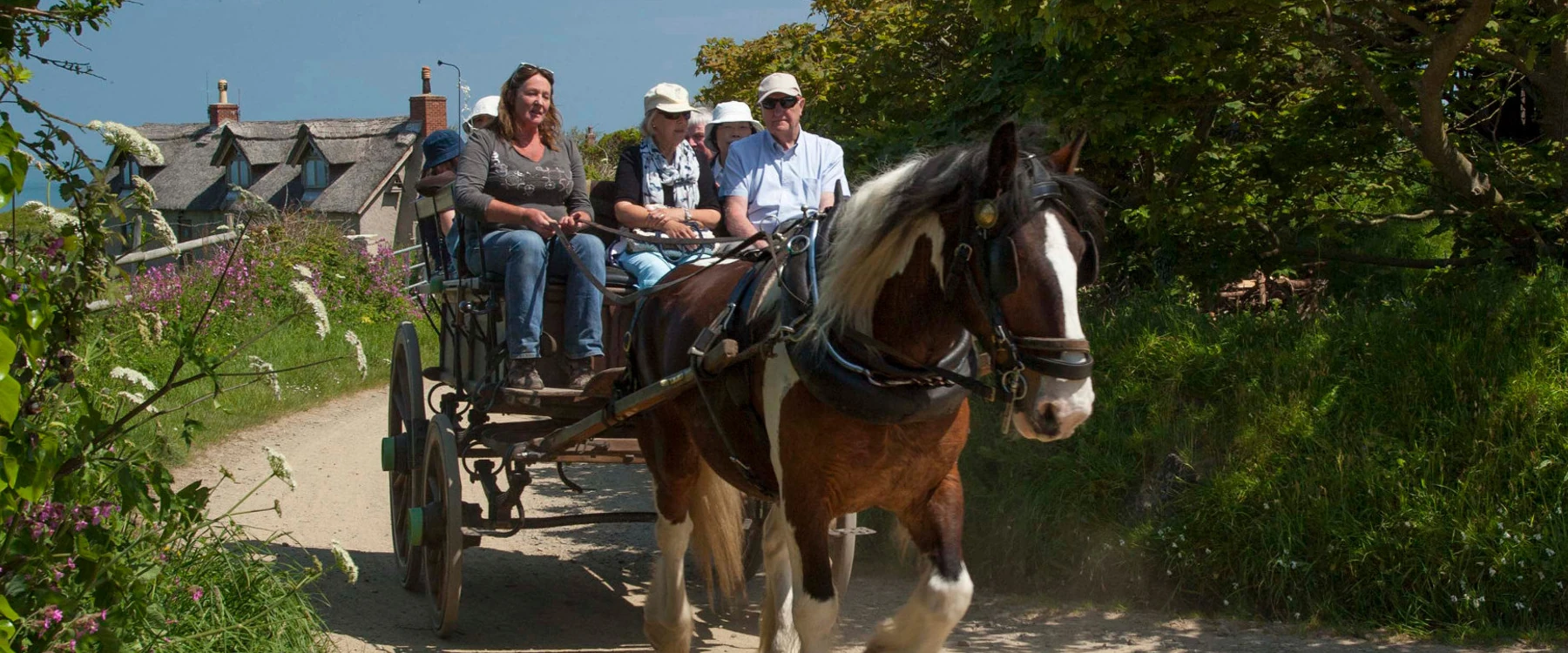
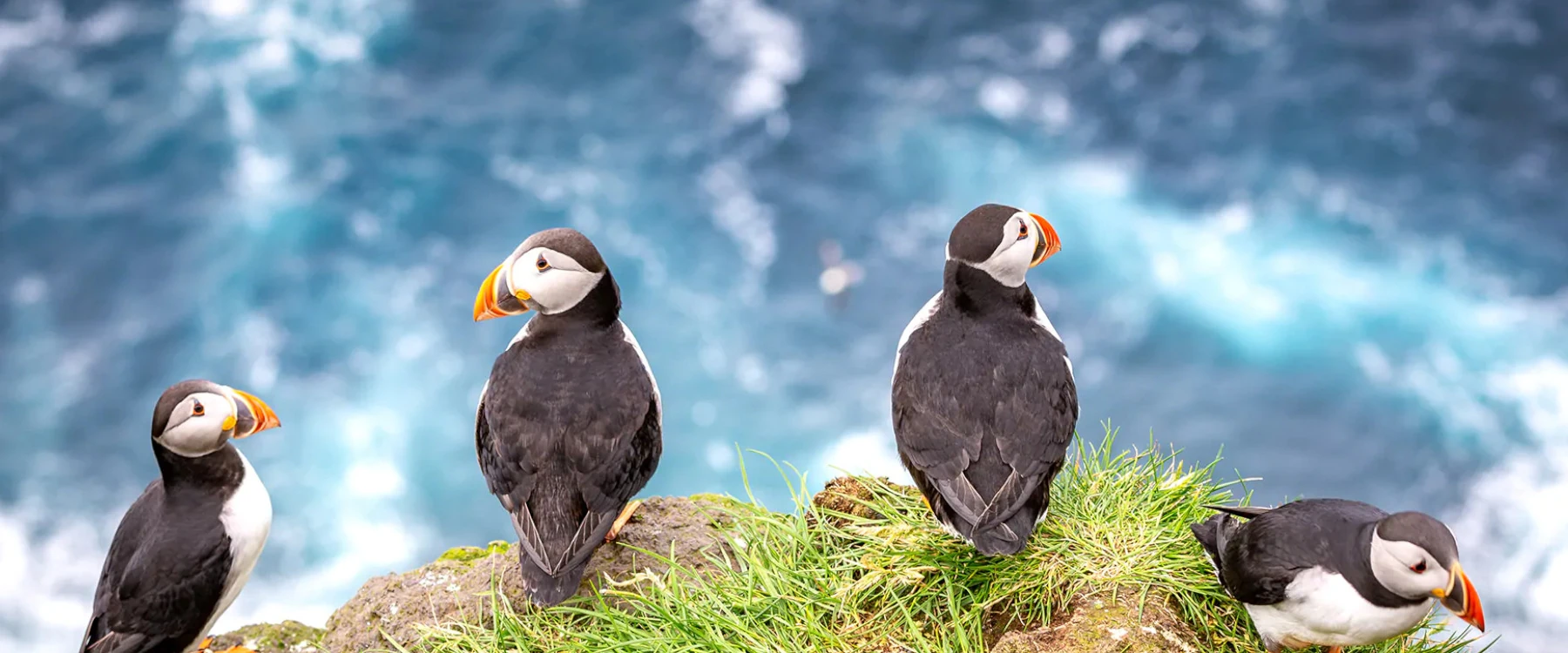
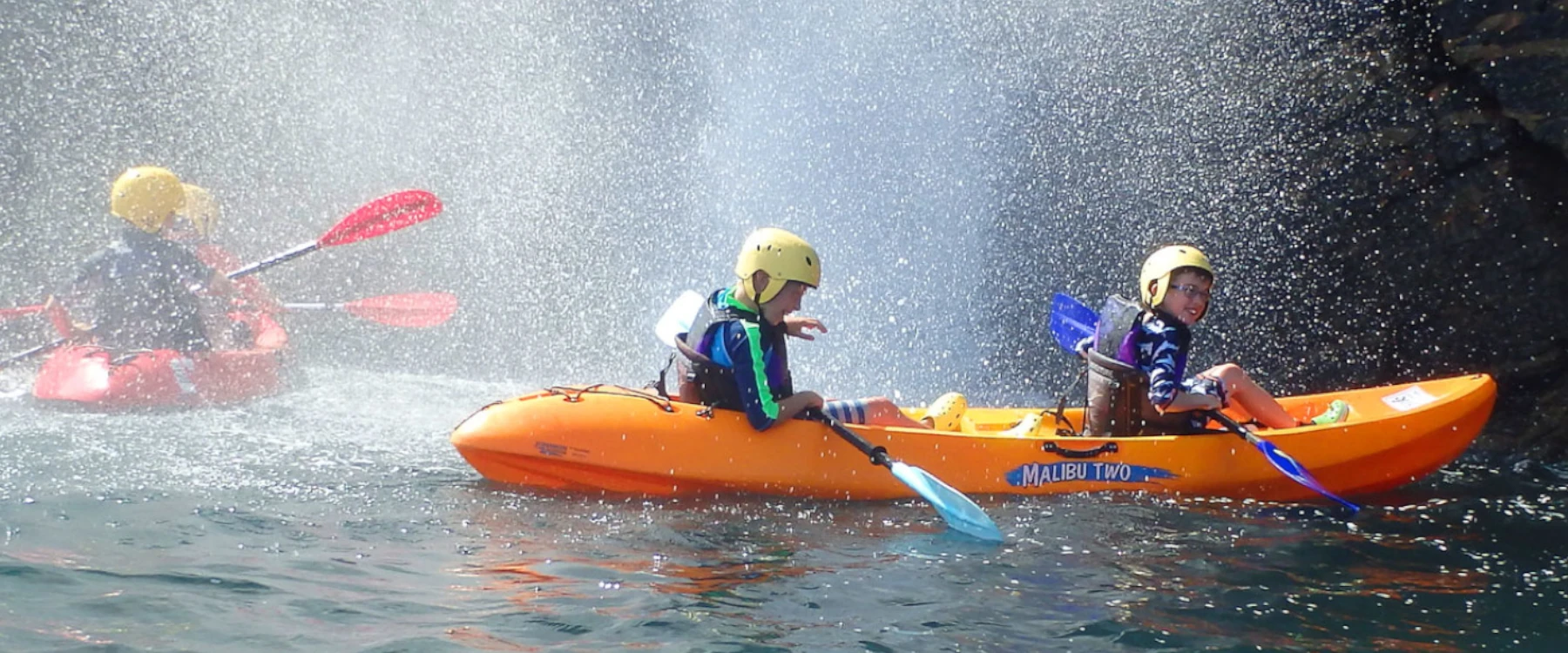
Sark is famous for its natural beauty and scenic coastal walks, with an array of mixed bird life and Autumn migrant birds to be seen. The Island is also renowned for its dark skies, offering some fantastic stargazing opportunities, for the more adventurous kayaking, coasteering and coastal boat trips, also available leisurely horse and carriage tours and bike hire, there are many ways to explore the Island, with many interesting stops on route, from famous gardens to quirky cafes and fabulous restaurants.
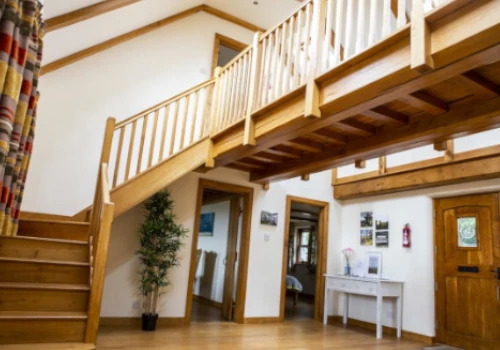
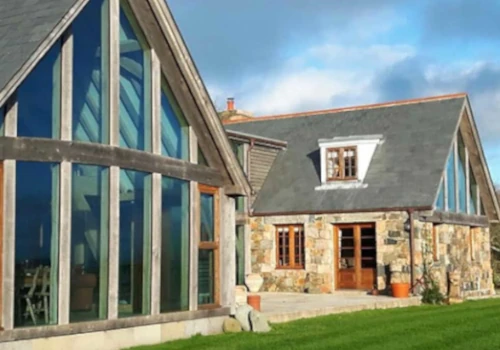
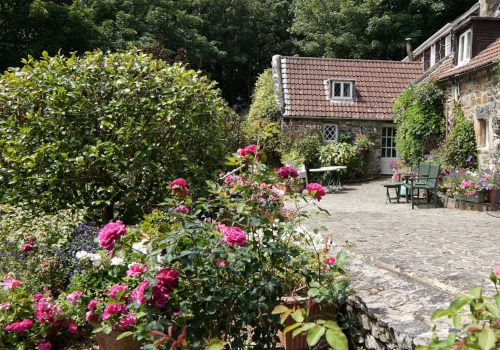
Discover the island’s hidden treasures whilst relaxing in the perfect hide away. The Isle of Sark offers every kind of accommodation, from the simplicity of camping to the luxury of Hotels, including a wide choice of Bed & Breakfast and Self Catering.